top of page

HELP CENTER

What Would You Like to Know?

Browse below to review the answers to some of the most common questions that we receive. If you still have questions or would like more information, please get in touch and we’ll be happy to assist you.

Air Duct Cleaning

WHY IS IT IMPORTANT TO MAINTAIN CLEAN AIR DUCTS?

The air that comes from the air ducts into your home or office contains dust, dirt, dead skin cells, and other pollutants, which your family and/or workers breathe. That can cause headaches, allergies, and much more.

Air Duct Cleaning San Antonio

HOW OFTEN SHOULD I HAVE MY AIR DUCT SYSTEM CLEANED?

It is recommended to clean air ducts once a year, along with changing the air filter monthly.

Some situations require more frequent cleaning, including if you:

  • Have pets

  • Had recent remodeling done on your home 

  • Have allergies

  • Are concerned that San Antonio's high humidity could cause mold and mildew growth in your air ducts

Air Duct Cleaning San Antonio

ARE THERE ANY HEALTH BENEFITS THAT COME FROM HVAC SYSTEM CLEANING?

HVAC systems have been shown to collect a variety of contaminants, such as mold, fungi, bacteria, and very small particles of dust, that have the potential to affect overall health. Air duct cleaning removes those contaminants, as well as the accumulation of allergens common in San Antonio, including pollen from trees, grass, and ragweed, which is particularly beneficial for individuals with respiratory conditions. Removing all of these contaminants from the HVAC system and home should be considered one component in an overall plan to improve indoor air quality.

Air Duct Cleaning System.png

WHAT ARE ANTIMICROBIAL CHEMICALS AND WHY WOULD THEY NEED TO BE USED?

Some companies apply antimicrobial chemicals to the interior surface of the air ducts to treat microbial contamination, such as fungi (mold), viruses, or bacteria. Before any antimicrobial chemicals are used, the system should be thoroughly cleaned.

It is critical that any antimicrobial treatment used in your system be registered by the U.S. Environmental Protection Agency specifically for use in HVAC systems. The use of antimicrobial chemicals is an additional service that is not part of a typical air duct cleaning project.

hvac system Air Duct Cleaning.png

WILL HVAC SYSTEM CLEANING REDUCE OUR HOME ENERGY BILLS?

Research by the U.S. Environmental Protection Agency has demonstrated that HVAC system cleaning may allow systems to run more efficiently by removing debris from sensitive mechanical components. Clean, efficient air conditioning and heating systems are less likely to break down, have a longer life span, and generally have better energy efficiency than dirty systems.

20250601_133649.jpg
IS HVAC DUCT CLEANING RECOMMENDED AFTER A HOME RENOVATION OR CONSTRUCTION IN SAN ANTONIO?

Absolutely, as it removes accumulated debris in the air ducts. Whether the building in question is a new or renovated home or office, clean ducts mean better indoor air quality and a healthier, more comfortable environment.

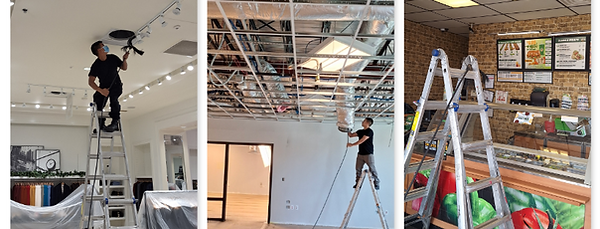
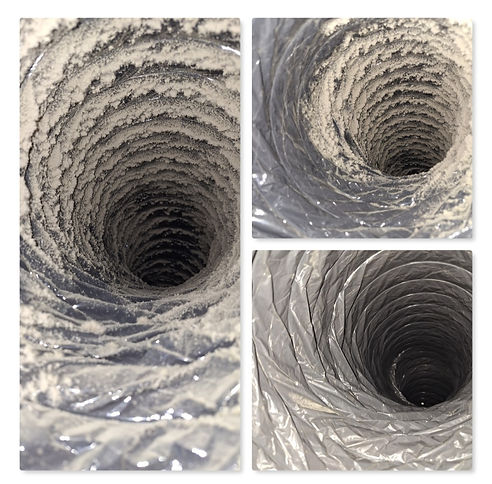
The photos below show an example of a duct in a house after construction or renovation. White construction dust is harder to clean.

Benefits of Duct Cleaning.png
WHAT ARE THE OTHER BENEFITS OF AIR DUCT CLEANING?

In addition to improving your indoor air quality by removing allergens, air duct cleaning also eliminates dead insects, pest nesting materials, and strange odors. 

Dirty ducts cause your HVAC system to work harder, straining it and leading to higher utility costs, premature wear, system repairs or breakdowns. That's the last thing you want when you rely on air conditioning to keep cool in San Antonio's summer heat. Clean air ducts, adequate insulation and an attic fan work together to improve airflow, keeping your home comfortable while lowering utility bills.

Dog.jpg
CAN HVAC DUCT CLEANING HELP WITH PET DANDER AND ALLERGIES IN SAN ANTONIO HOMES?

Air duct cleaning removes built-up allergens and pet dander, so you can breathe more easily without suffering.

Service Area Map For NextGen Duct Cleaning San Antonio.png
WHAT AREAS DO YOU SERVE IN SAN ANTONIO AND SURROUNDING COMMUNITIES?

We serve several communities in and near San Antonio, including:

Commercial Air Duct Cleaning San Antonio Collage.png
DO YOU OFFER COMMERCIAL HVAC DUCT CLEANING SERVICES IN SAN ANTONIO?

Yes. Commercial air duct cleaning services are available in San Antonio and Austin, TX. Schedule an appointment today.

3.jpg
DO YOU OFFER MAINTENANCE PLANS FOR REGULAR HVAC AND DUCT CLEANING?

Yes, convenient maintenance plans are available. Contact us to find out more or to get started!

We are insured.png
ARE YOU INSURED FOR AIR DUCT CLEANING IN SAN ANTONIO?

Yes, we're insured for air duct cleaning. It allows our clients to trust in our business and services.

Cost of air duct cleaning in San Antonio and Austin.png
HOW MUCH DOES AIR DUCT CLEANING COST IN SAN ANTONIO?

Price for Air Duct Cleaning in San Antonio and Austin TX will start at $350. NextGen's prices depends on several factors, including the complexity of your system, number of vents and AC units. Get free exact estimates. NextGen offers transparent pricing with ZERO hidden fees. Contact us for your quote today!
Air Duct Cleaning San Antonio Collage.jpg
IMPROVE YOUR INDOOR AIR QUALITY: CONTACT NEXTGEN FOR A QUOTE

Take the first step to a healthier home and lower utility bills! Call the customer service team at NextGen today for a quote on air duct cleaning, chimney cleaning, mold removal, dryer vent cleaning and any of our many other services.
Dryer Vent Blockage San Antonio.png
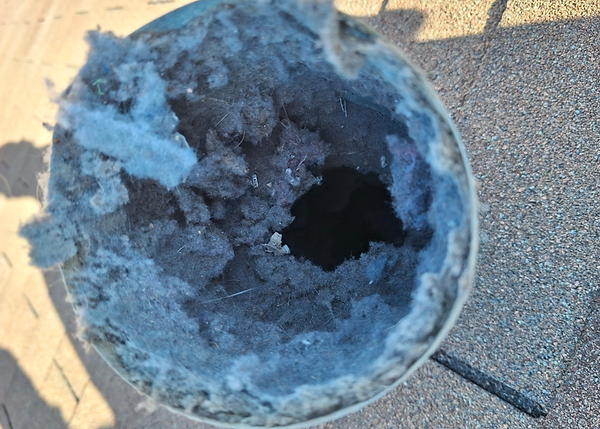
HOW MUCH DOES DRYER VENT CLEANING COST IN SAN ANTONIO

Dryer Vent Cleaning price starts at $149 for a 1 story house, and $189 for a 2 story house.

Bird nest removal cost from dryer vent will be determined after inspection.

Dryer vent caps, guards and cages are available for installation.

FAQ's for Air Duct Cleaning, Air Duct Replacement, Mold Removal, Chimney Cleaning and Repair, Dryer Vent Cleaning and Repair, Home Insulation, Attic Fan and Gutter Cleaning, Repair and Installation

Since 2010, NextGen has been answering questions for San Antonio and Austin homeowners about air duct cleaning, mold removal, chimney service, dryer vent maintenance, attic insulation, solar attic fans, and gutter cleaning. This page collects the questions we hear most often - the ones people ask when they call, the ones they wish they'd asked before hiring someone else (Especially the $99 offers), and the ones that come up mid-job. We have tried to give honest, specific answers rather than the vague corporate language. If your question is not here, call us at 210-744-0079. We answer our own phones.


Browse by service category below, or use Ctrl+F to search for a keyword.

General Questions

Is air duct cleaning a scam? How do I know if a company is legitimate?
Like any other industry. This industry has a well documented history of companies that advertise "$49 or $99 whole-house duct cleaning" on the phone and deliver a $1500–$2500 invoice at the door, using fear tactics and manufactured urgency to up-sell work that is not needed. Just think about it, no one can clean the entire air duct system in your house, a job that requires 2-4 hours with usually 2 people for that low price. It is just a way to get in the door in order to up-sell. Legitimate air duct cleaning uses commercial-grade equipment, takes 2–4 hours for an average home, and costs in the range of $400–$600 for a proper job.
Red flags: prices under $400, pressure to decide immediately, claims that your ducts are "dangerously contaminated" within 5 minutes of arrival, or invoices that bear no resemblance to the phone quote.
At NextGen, we give you the full price before we start and it does not change. We encourage second opinions.

What areas does NextGen serve?
NextGen serves the greater San Antonio and Austin metro areas and the Texas Hill Country between them. Our regular service communities include Alamo Heights, Terrell HillsBoerne, Stone Oak, Helotes, New Braunfels, Schertz, Cibolo, Alamo Ranch, Bandera, Canyon Lake, Floresville, La Vernia, Fredericksburg, Wimberley, Bee Cave, and Lakeway.
Not sure if we cover your location? Call 210-744-0079 - our service area is wider than what is listed here.

Do you offer free estimates?
Yes. We inspect your system before we quote you a price, and that inspection is free. We look at your ductwork and any specific areas of concern you have noticed. We tell you what we found and what we recommend. Then we give you the full price. This is how we have operated, we believe you should know exactly what you are getting and exactly what it costs before you make any decision. Call 210-744-0079 or fill out our contact form to schedule.

Do you serve commercial properties as well as residential?
Yes. NextGen serves commercial properties throughout San Antonio and Austin including
offices, restaurants, medical and dental offices, retail spaces, gyms, schools, and multi-unit
residential buildings. We work together with apartment complexes and property managements. Commercial HVAC systems typically have larger duct networks, higher occupancy loads, and more stringent indoor air quality requirements than residential systems. All of which are within our scope. Call 210-744-0079 to discuss your commercial property's needs and schedule an assessment.

Can I bundle multiple services in one visit to save money?
Absolutely, and it is something we actively recommend. Many of the services we offer are most efficient when done together because our technicians are already in your home. Common combinations: air duct cleaning + dryer vent cleaning or chimney service (both address air quality and fire safety in one visit), chimney cleaning + chimney repair assessment, and attic insulation + solar attic fan installation. When you book multiple services, you save time, and we can often offer combined-visit pricing. Call 210-744-0079 to discuss bundling options for your home.

How often should air ducts be cleaned in San Antonio?
Most San Antonio homes benefit from professional air duct cleaning every 2–4 years. We say 2 years rather than the EPA's general 3–5 year guidance for one reason: San Antonio runs its HVAC systems significantly longer than most of the country - often 10+ months per year. More operating hours means more debris accumulation in the same calendar period. Households with pets, allergy sufferers, residents who smoke indoors, or homes that have
recently been renovated benefit from the shorter end of that range. If you have never had your
ducts professionally cleaned, that is the most important variable. Start with an inspection and go from there.
Learn more about our air duct cleaning service here.

Is air duct cleaning worth it?
For most San Antonio homes, yes - especially if the system has not been cleaned in 3+ years, if there are pets or allergy sufferers in the household, or if there has been any recent renovation. The documented benefits include reduced allergen load, improved airflow, lower energy consumption (the U.S. Department of Energy estimates dirty HVAC components can reduce efficiency by 20–40%), and extended system lifespan by reducing strain on the blower motor and other components. That said, we will tell you honestly when your ducts don't need cleaning yet. We have done free inspections where the right answer was "your ducts are fine, save your money." We would rather tell you that than clean something unnecessarily.   See our full air duct cleaning process here.

What comes out of air ducts when they are cleaned? 
More than most homeowners expect. In a typical San Antonio home that has not been cleaned in several years, we commonly remove: accumulated household dust and dead skin cells, pet dander and pet hair, pollen (especially mountain cedar from November–February), insect debris and exoskeletons, mold spores and in some cases active mold colonies, construction and renovation debris in newer homes, and general particulate matter that passed through the filter over years of operation. Before every job, we show you what we find. After cleaning, we can show you what came out. The visual difference is usually striking enough that customers schedule recurring cleanings afterward without us asking.

How long does air duct cleaning take?
A proper air duct cleaning for an average San Antonio home (1,500–1,800 sq ft, single-story, one HVAC system) takes about 2–4 hours. Larger homes, two-story homes, multi-zone systems, or heavily contaminated systems take longer. If a company tells you they can clean your entire home's duct system in 45 minutes, that is a red flag - it's not physically possible to do thorough source-removal cleaning in that time with the equipment required. We give you a time estimate when we quote the job, and we are upfront about what the cleaning involves so
you can plan your day accordingly.

Do I need to be home during air duct cleaning?
Yes. We ask that an adult homeowner or authorized representative be present for the full service. There are two good reasons for this: first, we want to walk you through what we find before we start, so you can make an informed decision about exactly what you want done. Second, we want to walk you through the completed work before we leave. Both of those conversations require you to be there. We work around your schedule. Call 210-744-0079 to
find a time that works.

Should I get my air ducts cleaned before or after a home renovation?
After, always after. Renovation generates large amounts of fine particulate debris: drywall dust, wood fibers, insulation particles, and concrete or tile grind depending on the work being done. This material settles inside ductwork during and immediately after construction and then circulates through your home every time the HVAC runs. Cleaning before renovation makes no sense. By the time workers are done, the ducts will be full again. Schedule your post-renovation duct cleaning at least 2 weeks after the last trade has left and final cleaning has
been done, to allow settled dust to be distributed through the system before we clean it.

Does air duct cleaning help with allergies?
For many allergy sufferers, yes, meaningfully. Your HVAC system recirculates indoor air every few minutes, and whatever is in your ducts gets redistributed throughout your home with each cycle. Pollen, pet dander, mold spores, and dust mite debris all accumulate in ductwork. The EPA's indoor air quality research documents how these contaminants in circulating air systems contribute to allergy and respiratory symptoms in sensitive individuals. We regularly hear from customers with cedar fever or year-round allergies that post-cleaning air quality is noticeably
different. For the most complete effect, pair duct cleaning with a high-quality MERV 11 or MERV 13 filter. The cleaning removes what is already there, the better filter slows future accumulation. Learn about our duct cleaning process here.

What MERV filter rating should I use in San Antonio?
For most San Antonio homes, MERV 11 is the sweet spot. It captures the pollen, pet dander and fine dust particles that drive most indoor air quality issues without restricting airflow enough to stress your HVAC system. MERV 13 offers better filtration (hospital-grade) but some residential systems are not designed for that level of restriction. check your system's documentation before jumping straight to 13. Avoid anything below MERV 8 if you have
allergies or pets; those filters are essentially decorative. And regardless of rating, change your filter every 30–60 days in San Antonio, our climate pushes filters to capacity faster than the packaging's 90-day estimate assumes.

Do I need to clean my air ducts if I just bought a new construction home in San Antonio?
Yes, strongly recommended. New construction homes are built by crews working in dusty conditions with no filtration running. Drywall cutting, framing, insulation installation, and flooring work all generate fine particulate debris that settles inside open ductwork before the system is sealed. This debris is then sealed in when the registers are installed and the system is commissioned. Many new homeowners notice heavy dust accumulation on furniture within weeks of move-in that does not respond to regular cleaning. That is post-construction debris circulating from the ducts. One cleaning after move-in typically resolves this and starts the system fresh.

What is the difference between air duct cleaning and HVAC cleaning?
They are related but not identical. Air duct cleaning specifically refers to cleaning the supply and return ducts - the metal or flexible tubes that carry air from your air handler to each room and back. HVAC cleaning is broader and can include the air handler components: the blower wheel, evaporator coil, drain pan, and supply plenum. 

When should I replace my air ducts instead of having them cleaned?
Cleaning makes sense when your ducts are structurally sound and the issue is surface contamination. Dust, debris, allergens - that can be removed. Replacement is the better answer when: flex ducts have collapsed sections or separated joints; mold has penetrated deeply into the fibrous duct liner material; ducts are more than 20 years old with significant physical deterioration; or the duct system is so leaky that it is losing 20%+ of conditioned air before
it reaches the living space. We assess this during our free inspection and give you an honest recommendation. We do not default to the higher-cost option. Learn about air duct replacement here

Can air duct cleaning make my HVAC system more energy efficient?
Yes, and the effect is measurable. The U.S. Department of Energy documents that dust and debris on HVAC components - particularly the blower wheel and evaporator coil, forces the system to work harder to move the same volume of air, increasing energy consumption by 20–40% in heavily contaminated systems. In San Antonio, where cooling runs 8–10 months a year, that inefficiency adds up on every CPS Energy bill. A thorough cleaning of the air ducts restores airflow and allows the system to operate closer to its rated efficiency. In homes with heavily contaminated systems, customers sometimes notice a measurable drop in their utility bill within the first billing cycle after cleaning.

Does air duct cleaning help with cedar fever in San Antonio?
Yes, and this is one of the questions we hear most from San Antonio homeowners in December and January. Mountain cedar (Ashe juniper) pollen is fine enough to penetrate standard HVAC filters and accumulate inside ductwork. Once it is in your ducts, your HVAC system redistributes it through your home every time it runs, which means your indoor cedar pollen exposure does not drop when outdoor counts drop. It continues throughout the
season and lingers after. Professional duct cleaning removes the accumulated pollen reservoir. Combined with a MERV 11 or 13 filter, it significantly reduces the indoor allergen load that makes cedar fever symptoms and allergies worse at home than outdoors. We schedule cedar season cleanings every fall for many regular customers who suffer from allergies regularly, usually October or November, before the season peaks.
Schedule before cedar season.

When is cedar fever season in San Antonio and how should I prepare my air ducts & HVAC?
Mountain cedar pollen season in San Antonio typically runs from late November through February, with peak counts usually in January. Bexar County and the surrounding Hill Country regularly record some of the highest mountain cedar pollen counts in the world during peak days. To prepare your air duct system: schedule a professional duct cleaning in October or November before the season starts; install a fresh MERV 11 or 13 filter at the start of the season; keep windows closed during high count days even when the weather feels nice; and
maybe the most important install a UV Light air purification system for the air ducts for additional filtration. Post-season cleaning in March is also worth scheduling to clear the accumulated cedar pollen from the system before spring thunderstorm season begins for people who suffer a lot.

Why is the air quality inside my San Antonio home sometimes worse than outside?
This is more common than people realize, and the EPA has documented that indoor air quality in American homes is often 2–5 times worse than outdoor air. In San Antonio specifically, the contributing factors are: accumulated contaminants in ductwork that circulate with every AC cycle; poorly insulated and ventilated attics creating humid conditions that promote mold and bacteria growth in poorly maintained systems; cedar and oak pollen that enters through leaky duct connections and recirculates; and VOCs from furniture, flooring, and cleaning products that build up in tightly sealed, air-conditioned homes. The most impactful single fix is professional duct cleaning to remove what has accumulated, followed by installing UV Light air purification system for the air ducts and a better filter to slow future buildup. Mold removal addresses cases where biological growth is the primary driver.

Are UV lights in air ducts worth it in San Antonio?
UV-C lights installed in your HVAC duct system can meaningfully reduce biological contaminants - mold, bacteria, and viruses on the surfaces they illuminate, particularly the evaporator coil and supply plenum box where mold growth is common in humid climates like San Antonio's. They work continuously, which is their advantage over periodic cleaning. Their limitation: they do not remove particulate debris (dust, pollen, dander), only professional cleaning does that. And a UV light installed in a heavily contaminated system will be shining on debris rather than coil surfaces. The right sequence: clean the system first, then install a UV light to maintain the clean condition. We can assess whether UV light would be a good addition for your specific system during our inspection.

Can a clogged dryer vent really cause a house fire?
Yes, and this is not a rare or theoretical risk. The U.S. Fire Administration reports that clothes dryers cause approximately 15,000 residential fires per year in the United States, with failure to clean being the leading cause in roughly one-third of those incidents. Lint is one of the most flammable household materials that exists, and it accumulates inside dryer vents with every load. When airflow is restricted, the dryer's internal temperature climbs beyond safe operating parameters, and the compressed lint in the vent becomes a fire risk. What makes this
particularly dangerous is that dryer fires often start inside walls where they spread before any smoke alarm triggers. Annual professional dryer vent cleaning is the most effective prevention.
Learn about our dryer vent cleaning service.

Why does my dryer take so long to dry clothes?
In the vast majority of cases, a dryer that takes two cycles to dry a normal load is not broken, it has a clogged vent. When lint restricts airflow through the exhaust duct, hot moist air can not escape efficiently, and drying times increase. Some homeowners replace a perfectly functional dryer based on this symptom, spending $600–$1,200 unnecessarily when the real fix is a $100–$200 dryer vent cleaning. Before you call an appliance repair company or buy a new dryer, call us. We will inspect the vent and tell you within 10 minutes whether the duct is the
problem. Schedule dryer vent cleaning here.

There is a bird in my dryer vent - what should I do?
This is very common in San Antonio than most homeowners realize. Dryer vents are warm, sheltered, and protected from predators, perfect for nesting birds. In Texas, several native species including chimney swifts and various sparrows commonly nest in exterior vent openings. If you hear chirping or scratching from behind the wall near your dryer, or if your dryer runs but produces very little airflow at the exterior, a nest is a likely cause. Do not run the dryer if you suspect an active nest. The heat and restricted airflow combination is a fire risk.
Call us to inspect and remove the obstruction safely. We also install vent caps designed to prevent re-entry after cleaning. Schedule an inspection.

How often should dryer vents be cleaned?
Annually for most households, that is the recommendation from NFPA (National Fire Protection Association) and the USFA. Households that do large amounts of laundry (families of 4+, frequent bedding washing), homes with long vent pipes (common in San Antonio where the laundry room is far from an exterior wall and the vent goes above the garage), or homes where the vent exits through the roof rather than a side wall should consider cleaning every 6–9 months. If you notice drying times increasing, lint accumulating around the exterior vent flap, or the dryer feels unusually hot after a cycle, do not wait for the annual service, call us.

Can I clean my dryer vent myself?
You can clean the first 3–4 feet with a consumer brush kit from a hardware store, and that is better than nothing. The problem is that most serious lint accumulation is further up the vent, often at 90 degree elbows, in sections inside the wall, or at the point where the duct transitions from flexible to rigid. Consumer brush kits physically cannot reach these areas effectively, and they sometimes get stuck inside the vent because of incorrect use. A DIY cleaning that clears the visible section while leaving a blockage 8 feet up provides a false sense of security. Professional cleaning uses flexible rotary systems and commercial equipment that reaches the full length of the pipe. We also inspect so you can see exactly what was there and verify it was removed.

Is the flexible plastic accordion duct behind my dryer safe?
No, and if you have one, replacing it should be a priority. The white plastic accordion-style flexible duct that comes with many dryers is prohibited by most current building codes and fire safety standards because it collapses easily (restricting airflow), accumulates lint in its ridges more than smooth duct does, and is made of flammable plastic
that can catch fire at the temperatures reached when a vent is clogged. The correct material is rigid metal duct or semi-rigid aluminum flex duct with smooth interior walls. We assess duct material type as part of every dryer vent cleaning and will tell you if what you have is a safety concern. Learn about our dryer vent inspection process.

How do I know if there is mold in my air ducts?
The most reliable sign is a persistent musty or earthy smell that is strongest when your AC system runs, and that does not respond to household cleaning. Other signs: visible dark discoloration around supply vents (especially in rooms with high humidity); household members experiencing sneezing, coughing, or runny eyes primarily when indoors; or a recent water event near the HVAC system (condensate overflow, roof leak, burst pipe). Standard mold test kits from hardware stores can be a good idea, but can be costly to send to a lab for the results, and the swab should be effective. looking inside the air ducts and supply plenum box can give a good idea of what is inside your air ducts. 

Is black mold in air ducts dangerous?
Yes, and it is worth understanding what "black mold" actually means. The term is commonly used to refer to Stachybotrys chartarum, a particularly toxic mold species, but many mold types appear dark or black and most of them are not Stachybotrys. The key point is this: any mold in your HVAC system is distributed throughout your living space every time the system runs. Regardless of species, mold in ducts produces allergens and irritants that affect indoor air quality and can cause respiratory symptoms, particularly in children, the elderly, and people
with asthma or compromised immune systems. The appropriate response to confirmed mold in ductwork is cleaning/removing the infected area, then using chemicals. 

Why does San Antonio's climate cause mold in air ducts?
Three factors converge in San Antonio that make HVAC mold more common here than in drier climates:
humidity (our relative humidity often runs 60–80% in summer months), the temperature differential between cool duct interiors and super hot attic spaces (which causes condensation on duct surfaces, coils and supply box), and the fibrous inner lining of flex duct, which provides an organic substrate that mold can colonize. Older homes with aging flex duct that has developed micro-tears or not enough insulation are most susceptible. The 2021 winter storm left many San Antonio homes with burst pipes and subsequent moisture events near HVAC systems. We
continue to find mold resulting from those events in homes that were not properly maintained at the time. 

Can I stay in my house during mold cleaning and removal?
For air duct mold cleaning and removal specifically - in most cases, yes. Our process uses commercial grade
negative air pressure HEPA filter equipment that captures mold spores rather than releasing them into the living space, and EPA-registered antimicrobial treatments that are safe for occupied homes once dry (typically within 1–2 hours). If the mold contamination is limited to the duct system (the most common scenario), staying home
during the service is generally fine. If mold extends into wall cavities or structural components, that changes things in a way that you might also need to use another company for that. We will be clear about what we see and what it means for your family.

Will mold come back after cleaning and removal? Or, why mold grows?
It can. Mold is not a self generated problem; mold grows because moisture, organic material, and appropriate
temperature and conditions all coincide
. Remove the moisture and mold does not return. In a lot of cases we notice that the air ducts, plenum supply box and usually the AC unit are located in the attic, which is very hot, with not enough insulation and not ventilated.   Our mold cleaning page.

What is that musty smell coming from my vents in San Antonio?
A musty smell from your vents, especially strongest when the AC first kicks on, almost always indicates biological growth somewhere in your HVAC air duct system. The most common culprits: mold on the evaporator coil or inside the plenum supply box (the most common source), standing water in the condensate drain pan, mold inside air ducts, or bacterial growth in a moisture-saturated section of ductwork. In San Antonio's summer humidity, evaporator coil and plenum supply box mold is extremely common because the coil's job is to cool and dehumidify air, which means it is perpetually wet and in contact with every airborne particle that passes through your system. Don't ignore it, the smell can be mold spores being distributed through your home. Schedule inspection.

Chimney Cleaning & Repair FAQs

Do I need to clean my chimney if I only use my fireplace a few times a year?
Yes, and the reason surprises most people. Creosote buildup correlates not just with frequency of use but with how you burn. Infrequent, low temperature fires - the kind most San Antonio homeowners make on the few truly cold nights we get actually produce more creosote per burning hour than hot, well established fires. The smoke from a small fire cools quickly in the flue and deposits creosote before it can escape. Additionally, annual inspection is
recommended regardless of use frequency because the structural issues we look for - cracked flue liners, deteriorating/cracked chimney crown, failed flashing, broken fireplace panels — develop on their own timeline and are not directly related to how often you light a fire. Schedule chimney inspection →

What is creosote and why is it dangerous?
Creosote is the combustion byproduct of burning wood. An oily, tar-like residue that condenses on the cool walls of your flue as smoke rises and cools. It progresses through three stages: Stage 1 is light and flaky (easily brushed away in routine cleaning); Stage 2 is hardened and shiny (requires specialized removal tools); Stage 3 is glazed and porous (extremely difficult to remove and considered a serious fire hazard). Stage 3 creosote is the primary cause of chimney fires. It is highly flammable and burns at temperatures exceeding 2,000°F, hot enough to crack clay flue liners, ignite roof framing, and spread fire through your home's structure before you know it is happening. Annual cleaning prevents creosote from progressing to anything more serious.
Learn about our chimney cleaning →

Why is smoke coming back into my house from the fireplace?
Smoke back-drafting into the home (called "spilling") has several possible causes: a clogged or blocked flue (often a bird nest or heavy creosote buildup); a closed or malfunctioning damper; negative air pressure in the home drawing air down the chimney instead of allowing it to draft upward; a flue that is improperly sized for the firebox; or cold air in the flue preventing the draft from establishing. This is not something to troubleshoot by trial and error, burning in a fireplace that spills smoke exposes your family to carbon monoxide and particulate matter. Stop using the fireplace immediately and call us for an inspection. We will identify the specific cause and give you a clear solution before recommending any repair work.   Schedule chimney inspection →

Do gas fireplaces need chimney cleaning?
Yes, though for different reasons than wood burning fireplaces. Gas fireplaces produce minimal creosote, but their venting systems still require annual inspection. Blockages from debris or animal nests can restrict venting and allow carbon monoxide to back-draft into the home - a colorless, odorless gas that is potentially fatal in sufficient concentrations. Vent seals and connections can deteriorate over time, creating leaks that allow combustion gases to enter wall cavities. And gas fireplace components - burner assemblies, thermocouple sensors, ignition systems - should be inspected to ensure safe operation before each heating season. Annual service is a small investment against a serious risk. Schedule gas fireplace inspection →

How do I know if my chimney needs repair vs. just cleaning?
Cleaning and repair often go together. We can usually only accurately assess structural condition after the chimney is clean, because creosote hides cracks and deterioration, and burned wood and ash cover the fireplace panels and brick. Signs that suggest chimney repair needs exist alongside cleaning: white staining (efflorescence) on the exterior brick face; broken or flaking brick surfaces; water stains on the ceiling or wall near the chimney and inside fireplace; visible cracks in the chimney crown (the concrete cap at the top); or doors/gaps between the chimney and the roof line where flashing has separated. Any of these warrants both a cleaning and a structural assessment. We do not charge separately for the assessment, it is part of every chimney cleaning we do. Learn about chimney repair →

What is a chimney cap and do I need one in San Antonio?
A chimney cap is a fitted cover (like a hat) installed at the top of the chimney flue opening on the roof. In San Antonio, it is not optional, it is essential. Without a chimney cap, your flue is open to rain (which accelerates mortar
deterioration and can damage clay flue liners), animals (birds and squirrels commonly nest in uncapped Texas chimneys - see one of our rescue mission), and leaves and debris blown in during our frequent high-wind events. A quality stainless steel cap costs $300–$500 installed depending on flue size and configuration, lasts 15–20 years, and prevents the type of damage that costs ten times that to repair. If your chimney does not have a cap, it is the first thing we will recommend during any inspection. Schedule chimney cap installation →

Birds are nesting in my San Antonio chimney - what should I do?
First, identify the species. Chimney swifts - common in San Antonio and throughout the Hill Country are federally protected under the Migratory Bird Treaty Act, which means active nests cannot legally be disturbed while birds are present. Chimney swift nesting season runs approximately May through October. If swifts are nesting in your chimney, you must wait until they leave (usually by October) and then have the nest removed and a cap installed before they return next spring. Other species (sparrows, starlings, pigeons) do not have the same federal protections and can be addressed more immediately. In any case: do not use the fireplace while any nest is present, it is a fire hazard and can cause carbon monoxide problems.   Schedule an inspection →

How do I know if I need more attic insulation in my San Antonio home?
The clearest signs are functional: rooms that are warmer than others and resist cooling; an AC system that runs almost continuously in summer without achieving your set temperature; and energy bills that seem high relative to neighbors with similar-sized homes. You can also do a quick visual check: if you can see the tops of your attic floor joists (the wood framing), your insulation level is below minimum. Adequate insulation in San Antonio should bury those joists under 10–15 inches of material. If your home was built before 2000, there is a high probability your insulation is below the DOE's current R-38 to R-60 recommendation for our climate zone. We measure your existing R-value as part of every free assessment.  Learn about our insulation service →

Does CPS Energy offer rebates for attic insulation in San Antonio?
CPS Energy has historically offered rebate programs for qualifying home energy efficiency improvements including attic insulation upgrades. Rebate availability, amounts, and eligibility requirements change periodically. The most current information is always on CPS Energy website (cpsenergy.com) under their energy efficiency programs. When you book an insulation assessment with NextGen, we will discuss what rebates may be available and help you
understand what documentation you will need to apply. Even without rebates, the energy savings from bringing a San Antonio home's insulation from R-11 to R-38 typically pay back the installation cost within 3–5 years.
Free insulation assessment →

Can I add new insulation on top of old insulation, or does the old stuff need to come out first?
In most cases, adding blown-in insulation on top of existing material is fine. it is more cost effective and the existing material still provides some R-value. The exception is when the existing insulation is compromised: visibly contaminated with rodent or pest droppings (health hazard requiring removal or disinfecting), saturated from a roof or plumbing leak (performance is destroyed and mold risk exists), or identified as containing asbestos (vermiculite insulation in some pre-1980 homes). We assess the condition of your existing insulation during the free estimate
visit and give you an honest recommendation. If removal is necessary, we explain why and include it in the quote. Schedule a free assessment →

Is blown-in insulation or batt insulation better for San Antonio attics?
For existing homes adding insulation to the attic floor, blown-in is typically the better choice. It settles into irregular spaces between joists, around wiring and plumbing, and into the corners and edges that pre-cut batts consistently miss, and those missed areas are where heat infiltration is highest. Blown-in also achieves consistent depth across the entire attic floor without gaps. Batts are appropriate for new construction where joists are clear and accessible,
or for wall insulation. For San Antonio's attic conditions, high summer temperatures, complex joist layouts, and frequent existing obstructions we recommend blown-in in the vast majority of cases. Learn about insulation →

How much can new attic insulation reduce my electric bill in San Antonio?
The energy savings depend on how much insulation you are starting with and how much you add, but the DOE estimates that adding adequate insulation to an under-insulated home in a hot climate like San Antonio's can reduce cooling costs by 15–25%. For a typical San Antonio home spending $250/month on electricity in summer (with cooling accounting for roughly 50– 60% of that), that translates to $30–$40 per month in savings - or $240–$480 per cooling season. Over 5 years, that is $1,200–$2,400 in energy savings, which often exceeds or equals the cost of the insulation itself. Combined with a solar attic fan, the savings are typically in the higher end of that range. 

Do solar attic fans actually work in San Antonio?
Yes, and San Antonio is close to an ideal climate for them. We average over 220 (probably more) sunny days per year, which means a solar attic fan runs at or near full capacity for a significant portion of the year. Studies from the Florida Solar Energy Center document that active attic ventilation with solar fans can reduce attic temperatures by 20–50°F, and San Antonio attics routinely hit 150–160°F on July afternoons without ventilation, and even hotter. That temperature reduction directly lowers the heat radiating through your ceiling into your living space, which reduces AC workload and CPS Energy bills. The fan runs hardest exactly when you need it most: peak sun hours in summer = peak attic heat hours in summer. See our solar attic fan service →

Will a solar attic fan depressurize my home and pull conditioned air out?
This is a real concern and an important question and we are glad when homeowners ask it. If an attic fan is installed without adequate intake ventilation (soffit vents and gable vents) to provide replacement air, it can create negative pressure in the attic that draws conditioned air up from the living space through ceiling penetrations. This wastes energy and defeats the purpose of the fan. The solution is ensuring your attic has a proper intake-to-exhaust
ventilation ratio before installation. We assess your existing passive ventilation as part of every solar fan estimate and will tell you if intake venting modifications are needed. A properly installed fan with adequate intake venting exhausts attic air only.  Learn about our installation process →

How much does solar attic fan installation cost in San Antonio?
A typical single fan installation for a standard San Antonio home cost $800–$1200 fully installed - fan, solar panel, roof penetration, and sealing. Larger homes requiring multiple fans, or installations requiring additional intake venting work, cost more. We give you the complete installed price before scheduling, it does not change when we arrive. The federal residential clean energy tax credit may cover a portion of the cost for qualifying solar-powered ventilation equipment; consult your tax advisor for current eligibility. Considering the energy savings over
a 15–20 year lifespan, most San Antonio homeowners see full solar attic fan installaion payback within 3–5 years.
Get a free solar attic fan estimate →

Should I get a solar attic fan or more insulation - which is better?
They work on different parts of the same problem, and the best answer for most San Antonio homes is both, but in a specific order. Insulation resists heat transfer through the ceiling from the attic to the living space. A solar attic fan reduces the temperature of the air in the attic itself. If your insulation is severely inadequate, start there - it addresses the root problem more fundamentally. If your insulation is already at or near recommended R-value levels, adding attic fan delivers meaningful additional benefit by reducing the temperature differential
across the insulation. Together, they are more effective than either alone. Our assessment will tell you where the bigger opportunity is in your specific home and recommend the most cost effective starting point.
Compare insulation service → | See attic fan service →

Do I even need gutters on a Texas home?
Yes, and this is one of the most consequential home maintenance decisions a San Antonio homeowner can make. While Texas has a reputation as a dry state, San Antonio averages 29 inches of rain per year, and that rain typically arrives in intense, high-volume events rather than gentle showers. Without gutters, every rainstorm directs water from the roof directly against your foundation perimeter. San Antonio's expansive clay soil absorbs this water, expands against your slab, then contracts during drought - a cycle that is one of the primary drivers of the
foundation movement problems that cost San Antonio homeowners billions of dollars annually. Gutters are one of the most cost-effective foundation protection tools available.  Learn about our gutter services →

Are gutter guards worth it in San Antonio?
Gutter guards can reduce cleaning frequency but do not eliminate maintenance. The challenge specific to San Antonio is the variety of debris types: live oak catkins and small leaves, pecan debris, mountain cedar pollen and berry clusters, and wind-blown soil and dust. Fine debris like cedar pollen and catkins can work through or around most gutter guard systems. Foam style guards actively collect debris inside the foam and become clogged. Micro-mesh guards perform best but still require periodic inspection. The realistic expectation: guards may reduce
cleaning from twice a year to once a year. They are worth considering for homes with very heavy tree canopy, but they are not a maintenance-free solution. We discuss guard options when appropriate and are honest about what they will and will not do.  Learn more →

How do I know when to repair gutters versus replace them?
Repair makes sense when problems are isolated: a single loose section, one leaking seam, a damaged end cap, improper pitch in one run. Replace when: multiple sections are pulling away throughout the system (the hardware has failed systematically); rust or corrosion is widespread; gutters were installed at incorrect pitch and gutters drain poorly throughout; or the system is simply too old and degraded to hold repairs reliably. Sectional gutters that have
been repaired multiple times often reach a point where replacement with seamless gutters is more economical over 5 years than continuing to re-repair. We give you an honest assessment during inspection - sometimes it's "this repair will last 10 years," sometimes it's "you will be calling us again in 18 months and spending more."
Schedule a free assessment →

What are seamless gutters and why are they better than regular gutters?
Seamless gutters are custom fabricated on site from a continuous coil of aluminum, cut to the exact length of your specific roof length without joints along the straight sections. Standard sectional gutters come in 10-foot pieces connected by joints, and those joints are where gutters leak. Every joint is sealed with caulk that degrades over time in Texas's heat and UV intensity, requiring periodic resealing to prevent leaks against the fascia. Seamless gutters
eliminate these joints along the roof (corners and downspout connections still exist), producing a longer lasting system with dramatically fewer leak points. For most San Antonio homes, the cost difference between sectional and seamless is relatively small when you factor in the long term maintenance savings.
See our gutter installation service →

Can clogged gutters cause foundation damage in San Antonio?
Yes, and this is one of the most direct causal relationships in home maintenance. When gutters are clogged, roof runoff overflows and falls directly against your home's perimeter. San Antonio's expansive clay soil absorbs this water quickly, expanding against your slab during wet periods. When the inevitable summer drought follows, the soil contracts. This expansion-contraction cycle is documented by Texas structural engineers and foundation specialists as a primary driver of the slab movement that causes cracked walls, sticking doors, and uneven floors in San Antonio homes. Keeping gutters clean and ensuring downspouts direct water at least 4–6 feet away from your foundation is one of the simplest, most cost-effective foundation protection measures available.
Schedule gutter cleaning →

How long do gutters last in San Antonio and Texas heat?
Aluminum gutters, the most common type we install typically last 20–30 years in San Antonio with regular cleaning and periodic maintenance. The factors that shorten gutter lifespan here: UV exposure (intense in South Texas), the physical weight stress of organic debris combined with our heavy rainfall events, and infrequent maintenance that allows standing water and debris to accelerate corrosion. Gutters that are cleaned twice a year and have their seams and hardware inspected periodically consistently reach or exceed the upper end of that
range. Vinyl gutters last significantly less — typically 10–15 years before UV degradation causes cracking. We do not install vinyl for permanent applications in Bexar County.  Learn about gutter materials →

Pricing, Process & Scheduling

How much does air duct cleaning cost in San Antonio?
A professional air duct cleaning for an average San Antonio home (1,500–2,500 sq ft, one AC unit) typically runs $400–$600 from reputable companies using commercial-grade equipment that brush the air ducts. Larger homes, multi-story properties, or systems with two or more AC units cost more (we offer discounts for more than 1 unit homes). Be skeptical of quotes below $400 - at that price point, you are probably not getting source removal cleaning with brushing the ducts. Companies offering $49–$99 "specials" almost universally use it as a foot-in-the-door technique to up-sell services once inside. At NextGen, we give you the complete price after a free inspection, before we start work. That price covers everything we told you we would do, nothing is added once we begin. Call 210-744-0079 for a no-obligation estimate.

How much is air duct replacement cost in San Antonio and Austin?
The cost to replace air ducts in San Antonio and Austin typically ranges from $300 to $400 per duct. During an inspection, we also evaluate whether the register boxes and plenum supply box are in good condition or require replacement.
Key factors that can influence the total price include: Attic height and overall size, Attic layout and complexity, Accessibility (the need to cut through ceilings in multi-story homes)

How much is Dryer Vent Cleaning cost in San Antonio and Austin?
Dryer Vent Cleaning cost in San Antonio and Austin generally start at $149 for a 1 story home, and $189 for a 2 story home. Multiple elbows (90°), heavy blockage and very long pipes over 20 ft. can have a small additional fee.
We also offer dryer vent repair and dryer vent exterior cap that allow air and lint to blow out, but block birds from getting in. birds nest inside dryer vents are very common in San Antonio and Austin.
Give us a call 210-744-0079 to get a quote. We do not try to up-sell  when we come.

How much does Chimney Cleaning cost in San Antonio and Austin?
Starting at $179 for 1 story home, and $209 for a 2 story home, our complete chimney and fireplace cleaning will remove the soot from the chimney flue, and the ashes and falling soot from the fireplace. We will inspect your chimney top to bottom, check your fireplace and will make sure it is good to use, and suggest any repairs that might be needed. We offer chimney and fireplace crack repairs, fireplace panel repair and replacement, chimney siding repair, chimney crown repair, chimney chase cover repair and replacement, chimney cap replacement and install and more.  Call us at 210-744-0079 for a quote or for any question.

How much does insulation installation or upgrade cost in San Antonio and Austin?
Insulation installation or upgrade costs typically start at $1.75 per square foot.
To provide an accurate estimate, our assessment evaluates several factors, including: Number of floors, Size and layout of the attic, Attic height and more.
Our prices are some of the most reasonable in the industry, without skipping on quality of service.
Schedule an appointment to get your insulation quote.

How much does solar attic fan installation cost in San Antonio and Austin?
There are a few good options that we like to recommend to our customers, which we match to the type of attic they have, with an average solar attic fan installation cost of $800–$1,200. Some fans are suitable for smaller attics around 1,000 square feet, while larger attics may require stronger fans designed for up to 2,500 square feet. Variations depend on CFM requirements and blade configurations. We assess the attic and roof to match the best fan for your specific needs.
Call 210-744-0079 or schedule an appointment so we can provide a tailored recommendation for your attic.

How much does gutter cleaning cost in San Antonio?
The cost of gutter cleaning in San Antonio and Austin can vary from house to house depending on complexity of the roof, length of the gutters, how many stories, number of downspouts, condition of the gutters and amount of debris. As a general rule, gutter cleaning cost $75-$100 per 50 linear ft. With $25-$35 per downspout.
Call 210-744-0079 to give us some of the details above and to get a quote.

Do you offer any maintenance plans or recurring service schedules?
Yes, we work with many San Antonio homeowners on annual and bi-annual service plans that ensure their systems and homes are maintained without having to remember to call. A typical recurring plan for a San Antonio home might include: air duct inspection and cleaning every 2-3 years, dryer vent cleaning annually, chimney inspection annually (cleaning when needed), and gutter cleaning twice per year. Scheduling these in advance typically allows
better timing flexibility and ensures you are never scrambling to find availability during peak seasons. another benefit of a maintenance plan is the savings on each service. 
Call 210-744-0079 to discuss what a maintenance schedule would look like for your specific home and services.

bottom of page