


Commercial vs Residential Air Ducts and HVAC Systems: What You Need to Know
Updated: Sep 10
When it comes to indoor comfort and air quality, not all heating and cooling systems are created equal. Whether you’re a homeowner or a business owner, understanding the difference between residential and commercial air ducts and HVAC systems is key to performance, cost efficiency, and long term reliability.
Reliable, energy efficient HVAC design leads to better comfort, healthier air, and lower costs, especially when integrated with proper airflow management and indoor air quality solutions.
1. HVAC System Basics: Residential vs Commercial
Residential HVAC Systems
Designed to serve individual homes or small apartments. Most residential systems are:
Smaller and simpler.
Plug-and-play systems with standard air duct system.
Sized for lower airflow volumes.
Typical residential HVAC systems include central air conditioners, furnaces, or heat pumps servicing 2,000–5,000 sq ft of space.

Commercial HVAC Systems
Built to serve larger, multi zone spaces such as offices, retail stores, schools, and industrial environments. They are:
Larger capacity systems
Designed for heavy duty and long-hour operation
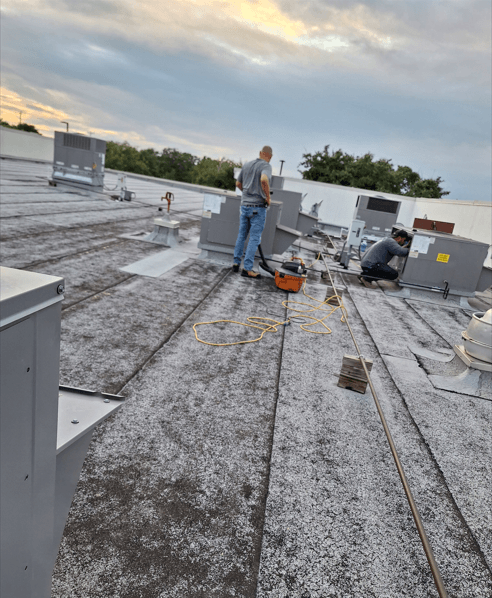
Often include multiple air handling units and complex zoning
According to the U.S. Department of Energy (DOE), commercial HVAC systems can consume up to 40% of a building’s total energy usage, making efficiency and proper design critical.
2. Key Design Differences
Feature | Residential | Commercial |
Size | Small | Large |
Air Ducts | Simple layout | Complex, multi-zone |
Controls | Thermostat on wall | Building automation systems |
Airflow Rates | Lower (CFM) | Higher (CFM across zones) |
Maintenance | Annual tune up and cleaning | Quarterly or monthly inspections, Annual cleaning |
Commercial systems often use advanced controls like building automation systems (BAS) that optimize temperature, humidity, and airflow based on occupancy and zones, Something most residential thermostats cannot do.
3. Air Quality Concerns: Mold & Duct Issues
Both residential and commercial environments struggle with indoor air quality challenges when HVAC systems are neglected.
Why Commercial Spaces Face Greater IAQ Risks
Larger air ducts, higher occupant density, and longer operating hours can lead to:
Moisture collection in coils
Mold growth in hidden cavities
According to the Environmental Protection Agency (EPA), poorly maintained HVAC systems, especially air ducts can contribute to indoor air quality problems, including mold, allergens, and airborne particles. For those reasons, Commercial air duct cleaning in San Antonio and Austin is very important, not just for proper maintenance and extending the life of the system, but also for the safety of all employees.
Case Study from NextGen air duct cleaning and mold removal San Antonio: A mid-size office in San Antonio experienced complaints of “musty air” and increased sick leave among workers. Inspection revealed mold growth inside the air handling unit and air duct system. After professional commercial air duct cleaning and HVAC sanitization, reported complaints dropped by 80%.
Residential Air Quality Challenges
In homes, common triggers include:
Dust accumulation in return registers.
Infrequent filters.
Moisture from bathrooms and kitchens infiltrating air ducts.
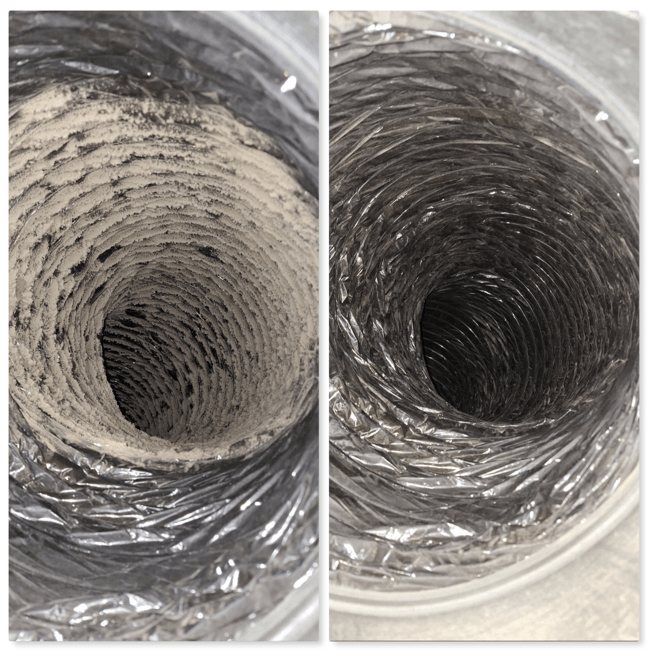
Professional air duct cleaning can improve airflow and reduce particulate load, especially in homes where occupants suffer from allergies or respiratory issues.
4. Maintenance & Service Frequency
Residential HVAC maintenance typically includes:
Annual tune-up (pre season).
Filter changes every 1 month.
Basic airflow and thermostat checks.
Return duct cleaning once per year.
Commercial HVAC maintenance is more involved:
Multiple inspections per year
Quarterly coil cleaning
Belt and motor tension adjustments
System balancing
Cleaning and sanitize 1-2 per year.
5. Air Duct Replacement - When & Why
Both residential and commercial duct systems may eventually require air duct replacement. Factors influencing this include:
Persistent mold growth.
Corrosion or physical damage.
Excessive leaks reducing performance.
Poor original design or under sizing.
Case Study in San Antonio: A San Antonio retail space experienced higher winter heating bills and uneven temperatures. Duct testing revealed over 30% leakage. After commercial air duct replacement with sealed, insulated ducts, energy use dropped by 15%, and occupant comfort improved greatly.
6. System Lifespan & Cost Comparisons
Comparison | Residential | Commercial |
Typical Lifespan | 12–20 years | 10–25 years (variable by use and material) |
Upfront Cost | Lower | Higher |
Lifecycle Cost | Moderate | High (but scalable) |
Complexity | Simple | Complex zones |
Commercial systems are designed for higher throughput, but also require more frequent service. Designing for energy efficiency can offset lifetime costs.
7. Choosing the Right System
For Homeowners
Prioritize efficient SEER/AFUE ratings.
Ensure proper duct sizing and air flow.
Schedule air duct cleaning if ducts are dusty or mold is suspected.
For Business Owners
Consider demand based ventilation and zoning.
Integrate monitoring via BAS.
Plan regular commercial HVAC maintenance.
8. Commercial vs Residential HVAC — Real Outcomes
Case Comparison
Residential Home (San Antonio)
15-year old split system.
Duct leaks + dusty air return.
After duct sealing and cleaning → 10% lower cooling costs.
Commercial Office (Austin)
Multi zone rooftop units.
Poor humidity control + employee complaints.
After duct cleaning + maintenance program → 25% reduction in coil fouling + improved occupant comfort.
These examples show how proactive service improves performance regardless of system type.
📍 Serving San Antonio & Austin, TX
📞 Call NextGen at 210-744-0079
❓Frequently Asked Questions Commercial and Residential air ducts and HVAC Systems
Q1: What is the main difference between commercial and residential HVAC systems?
Commercial systems are larger, designed for higher capacity, multi zone control, and heavier use over longer hours compared to residential systems optimized for individual homes.
Q2: Does commercial air duct cleaning differ from residential?
Yes. Commercial air ducts are larger, often has more complex layouts, and may require specialized equipment and scheduling to meet business operations without disruption.
Q3: Can mold grow in both residential and commercial HVAC systems?
Absolutely. Moisture, dust, and lack of maintenance create conditions conducive to mold growth in both, which is why proper air duct cleaning, sanitize and disinfection, and UV light systems help maintain healthy indoor air quality.
For more info, prices and FAQ's, visit our FAQ page.
Call 210-744-0079 or fill out the contact form here.
We also serve Stone Oak, Alamo Heights, Boerne, Bee Cave, Fredericksburg,


Comments