


How Air Duct Cleaning Improves Indoor Air Quality in San Antonio Homes and Businesses
Updated: Sep 7
For San Antonio residents and commercial properties, indoor air quality is more than a comfort issue—it’s a critical health factor, particularly in a region known for dust, pollen, humidity and mold. NextGen’s professional air duct cleaning services directly target the pollutants that impact homes and workplaces most, helping thousands of allergy sufferers, families, and employees breathe easier every year.
Why Is San Antonio at Higher Risk?
San Antonio faces unique indoor air quality challenges:
Frequent dust storms and dry Texas summers bring heavy dust into homes and offices.
High humidity increases mold, mildew, and allergen levels.
Poor insulated homes and attics. See here
Pollen counts for oak, cedar, ragweed, and other allergens soar seasonally.
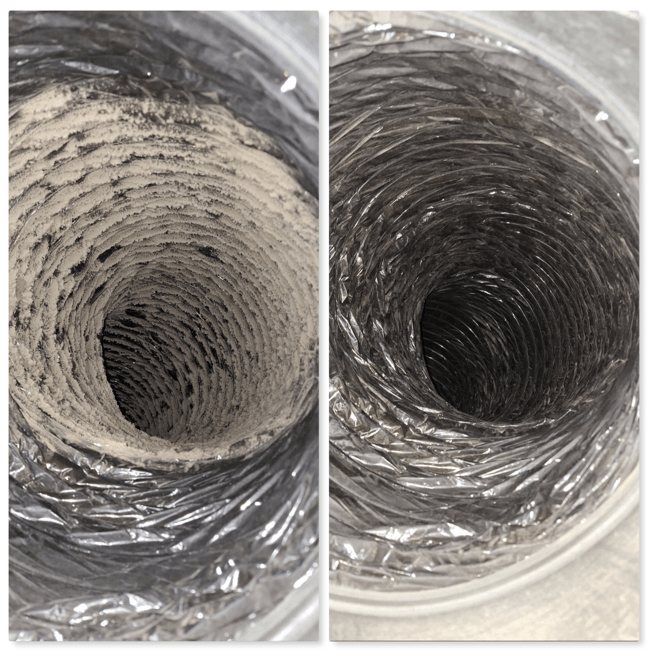
These factors mean contaminants like dust, pollen, mold spores, and even pest debris continually enter ductwork, only to recirculate throughout rooms. Over time, they build up to levels that can trigger allergies and asthma even in healthy individuals.
The Hidden Dangers in Air Ducts
Most people never see the inside of their ducts. But research and real-world inspections reveal:
Dust and allergens accumulate year-round.
Mold and mildew develop readily in our climate, especially after plumbing leaks or AC issues.
Dust mites, pet dander, and insect debris find safe harbor in uncleaned ducts.
Pest droppings can be found in unmaintained ducts.
If left unchecked, these pollutants impact wellness, especially for children, seniors, and anyone with respiratory sensitivities.

The Proven Health Benefits of Duct Cleaning
Professional duct cleaning delivers measurable improvements:
Reduces allergens: Removing years of built-up dust, pollen, and mold spores helps reduce allergy symptoms and asthma flare-ups.
Minimizes respiratory irritants: Cleaner ducts mean fewer particles circulating in the air, benefiting everyone, but especially those with compromised immune systems.
Cuts down on odors: Pet smells, cooking fumes, and musty scents lodged in ductwork are effectively eliminated by thorough cleaning.
Promotes a healthier environment: Multiple studies and reports from the EPA and National Air Duct Cleaners Association (NADCA) support regular cleaning to maintain indoor air quality, especially where allergens and moisture are prevalent.
How Frequently Should Ducts Be Cleaned in San Antonio?
Most experts recommend every 3-5 years.
Allergy or asthma sufferers, homes with pets, recent renovations, or visible dust/mold should consider more frequent service.
NextGen’s Approach: Brushing Plus Vacuuming for Deep Cleaning
Unlike basic “blow-and-go” outfits, NextGen uses specialized rotary brushing inside each duct before vacuuming, ensuring the complete removal of stubborn debris and biofilm. This is proven far more effective than vacuum alone, helping prevent regrowth and future contamination. Every service is priced transparently and honestly, with no upsells or misleading lowball offers—a policy our clients appreciate. instagram+1
Real Results: What San Antonio Customers Experience
After a professional duct cleaning, NextGen customers report:
Cleaner air and reduced dust on furniture.
Fewer allergy and respiratory symptoms indoors.
Quick elimination of unwanted musty or pet odors.
Don’t Fall for $99 Gimmicks: Trust Proven Local Experts
“Whole house unlimited vents for $99” looks tempting but nearly always involves aggressive upselling, hidden fees, or incomplete (often useless) service. The EPA and NADCA caution homeowners to avoid such offers and verify the cleaning method used.epa+2
Authoritative References
For more info, prices and FAQ's, visit our FAQ page.
Call 210-744-0079 or fill out the contact form here.
We also serve Stone Oak, Alamo Heights, Boerne, Bee Cave, Fredericksburg,


Comments